
Travel guides receive compensation through varied methods, including salaries, freelance rates, and commissions, with 2025 seeing African guides earning and Nepal’s trekking guides up to $60 daily.
The Growing Demand for Travel Guides
The travel industry’s resurgence fuels a heightened demand for knowledgeable travel guides. Post-pandemic, travelers increasingly seek authentic, immersive experiences, driving the need for skilled professionals who can curate memorable journeys. This demand isn’t limited to traditional tourism hotspots; emerging destinations like Kirgisistan are gaining traction, as evidenced by recent travel deals.
Consequently, the role of the travel guide is evolving beyond simple itinerary management. Guides are now expected to be storytellers, cultural ambassadors, and problem-solvers. This expanded skillset justifies competitive compensation, with variations based on location – from African tour guides’ earnings to Nepal’s altitude-adjusted pay rates – reflecting the value placed on their expertise.
Understanding the Diverse Roles of Travel Guides
Travel guides encompass a spectrum of roles, impacting their earning potential. Beyond leading groups, guides may specialize in cultural immersion, adventure tourism, or niche interests. Some, like those in Germany and Austria, require linguistic and cultural fluency, demanding higher compensation. Others focus on logistical support, particularly in challenging terrains like Nepal, where altitude pay is common.
The role also extends to facilitating upgrades and handling travel arrangements, potentially earning commissions. Guides are increasingly expected to manage unexpected situations and provide personalized service, justifying their value. Understanding these diverse responsibilities is crucial when considering compensation structures, as earnings reflect the complexity and expertise involved.

Payment Models for Travel Guides
Guides are compensated via salary, freelance work, or commission, often a percentage of trip costs, or hourly rates for local tours, reflecting diverse employment arrangements.
Salary vs. Freelance: A Core Distinction
Salaried travel guides typically enjoy benefits like health insurance and paid time off, offering financial stability, but may have less flexibility in choosing tours. This model is common with larger tour companies. Conversely, freelance guides possess greater autonomy, selecting their preferred destinations and schedules, potentially maximizing earnings during peak seasons.
However, freelance work demands self-management of taxes, marketing, and securing clients. Income can fluctuate significantly. The choice hinges on individual preferences – stability versus independence. The 2025 data suggests a growing trend towards freelance opportunities, particularly in specialized tour niches, as travelers seek personalized experiences. Understanding these distinctions is crucial for both guides and companies.
Commission-Based Earnings: A Percentage of the Trip Cost
Commission-based earnings represent a significant income stream for many travel guides, directly linking their pay to the value of the tours they facilitate. Typically, guides receive a percentage of the total trip cost, incentivizing them to promote higher-value packages and ensure client satisfaction. This model is prevalent when guides collaborate with travel agencies or operate as independent contractors.
The commission rate varies widely, influenced by destination, tour type, and the guide’s experience. Upgrades and souvenir sales can also generate additional commissions. While potentially lucrative, income can be unpredictable, dependent on booking volumes and client spending. Transparent commission structures are vital for fostering trust between guides and companies.
Hourly Rates: Common for Local Tours
Hourly rates are a frequently utilized payment structure, particularly for shorter, localized tours and experiences. This method offers predictability for both the guide and the client, with a pre-agreed rate for a defined period of service. Local city tours, walking excursions, and brief historical site visits often employ hourly compensation.
The specific hourly rate fluctuates based on the guide’s qualifications, the tour’s complexity, and the destination’s cost of living. While straightforward, hourly pay may not fully reflect the preparation time or specialized knowledge required. Guides may supplement hourly earnings through tips or by offering add-on services. Negotiating a fair hourly rate is crucial for ensuring adequate compensation.

Factors Influencing Travel Guide Pay
Pay is impacted by experience, destination popularity, tour type (group size & duration), and seasonality, with specialized tours potentially commanding higher rates for expertise.
Experience and Expertise
A travel guide’s earning potential is significantly linked to their accumulated experience and specialized knowledge. Guides demonstrating in-depth understanding of a destination’s history, culture, and local nuances often command higher fees. Those with certifications, fluency in multiple languages, or expertise in niche areas – like birdwatching or historical tours – can justify premium rates.
Newer guides typically start with lower pay, gaining experience through various tours and building a strong reputation. As they develop a loyal clientele and positive reviews, their ability to negotiate higher rates increases. Expertise isn’t solely about years served; continuous professional development and a passion for sharing knowledge are equally valuable assets impacting compensation.
Destination Popularity and Seasonality
Travel guide compensation is heavily influenced by the popularity of the destination and the time of year. High-demand locations, like Mauritius during peak season, generally offer better earning opportunities due to increased tourist flow. Conversely, less-visited areas or the off-season may result in lower rates or fewer available tours.
Seasonality dictates demand; guides in Nepal experience altitude pay during trekking seasons. Destinations experiencing a surge in tourism, perhaps due to events or favorable travel deals, will likely see increased guide rates. Understanding these fluctuations allows guides to strategically plan their schedules and maximize income potential throughout the year.
Type of Tour: Group Size and Duration

Travel guide earnings are directly tied to the type of tour offered, specifically group size and duration. Larger groups often translate to higher overall income, even if the per-person rate remains consistent. Longer tours, naturally, provide more cumulative earning potential compared to shorter excursions.
Specialized tours, like those requiring unique expertise, may command premium rates. The information suggests Nepal’s trekking guides earn daily rates, influenced by altitude and tour length. Guides offering upgrades or handling travel arrangements might also receive commissions; Therefore, a guide’s earning strategy often involves balancing tour type, group dynamics, and trip duration.
Specific Geographic Pay Rates
Tour guide pay varies geographically; in 2025, African guides earn, while Nepal’s trekking guides can make up to $60 per day, factoring in altitude.
Africa: Earnings of Local Tour Guides
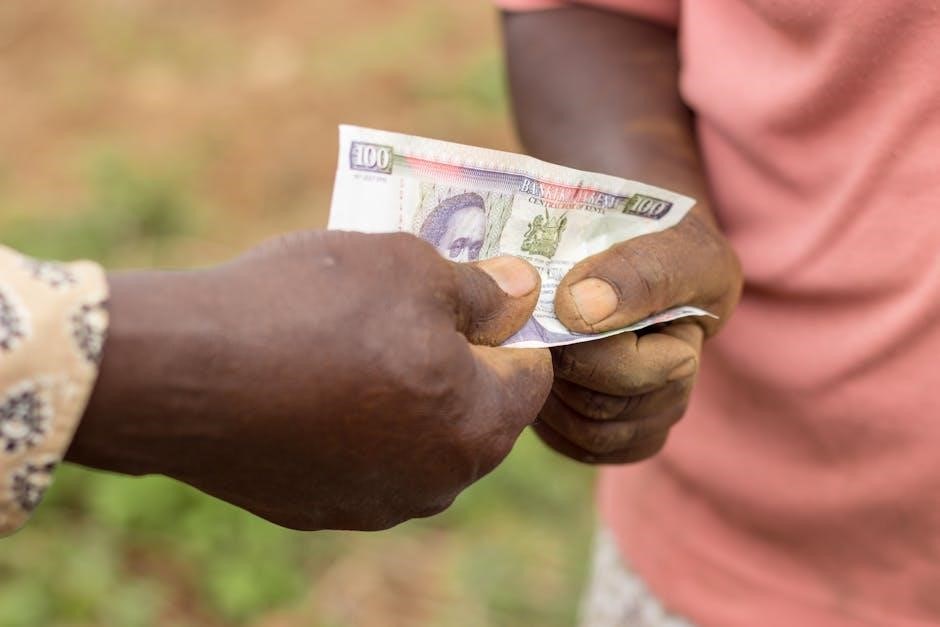
Local tour guides in Africa experience a wide range of earnings, heavily influenced by the destination’s popularity, the type of tour offered, and the guide’s experience level. While specific figures for 2026 are still emerging, data from 2025 indicates a diverse income landscape. Earnings are often tied to daily rates, with variations based on the remoteness of the location and the specialized knowledge required – for example, wildlife expertise commands higher fees.
Guides working in established tourist circuits, like those in South Africa or Kenya, generally earn more than those in less-visited regions. Furthermore, tips and commissions on souvenir sales or optional excursions contribute significantly to their overall income. The rise of sustainable tourism and community-based guiding initiatives is also beginning to impact earning potential, offering opportunities for fairer compensation.

Nepal: Trekking Guide Compensation
Trekking guides in Nepal operate within a structured, yet variable, pay system. Reports from 2025 indicate that experienced guides can earn up to $60 per day, a figure often described as “altitude pay with attitude,” reflecting the challenging conditions. This daily rate typically includes a base salary plus allowances for food and lodging during treks. However, earnings are significantly impacted by trek duration, group size, and the remoteness of the region.
Guides leading longer, more demanding treks to Everest Base Camp or Annapurna Circuit generally command higher fees. Tips from satisfied trekkers are a crucial component of income, often equaling or exceeding the base salary. Licensing and insurance requirements also influence earning potential, with certified and insured guides being more sought after and better compensated.
Germany & Austria: Guide Earnings & Cultural Considerations
Travel guide compensation in Germany and Austria is influenced by experience, qualifications, and the type of tour offered. While specific 2026 data is still emerging, guides typically earn through hourly rates or daily fees, often supplemented by commissions on sales like souvenirs or upgrades. Cultural sensitivity is paramount; guides must possess strong language skills and a deep understanding of local customs to provide enriching experiences.
The “Mentalität lernen will” guide emphasizes the importance of cultural fluency. Earnings can vary significantly based on specialization – city tours versus specialized historical or culinary experiences. Tipping isn’t as prevalent as in some cultures, but appreciated for exceptional service. Guides often navigate complex travel arrangements, potentially involving pre-booked upgrades.

Additional Income Streams for Travel Guides
Travel guides boost income via tips, sales commissions on souvenirs and upgrades, and reimbursement for work-related travel expenses, enhancing their overall earnings.
Tips and Gratuities
Tips and gratuities represent a significant, yet often unpredictable, component of a travel guide’s income. While not a guaranteed payment, generous tipping is customary in many regions, particularly where base salaries are lower. The amount varies widely based on destination, tour quality, and individual client satisfaction.
Cultural norms heavily influence tipping expectations. In some countries, a small tip is considered polite, while in others, it’s a substantial part of the guide’s earnings. Guides often rely on these supplemental funds to supplement their income, especially during slower seasons. Factors like exceptional service, personalized attention, and going above and beyond expectations can all lead to increased gratuities.
It’s important for travelers to research local tipping customs to ensure appropriate acknowledgment of their guide’s efforts.
Sales Commissions (Souvenirs, Upgrades)
Sales commissions offer travel guides an additional income stream, often tied to the sale of souvenirs, optional excursions, or upgrades during tours. This practice is common, particularly with tours that include visits to shops or opportunities for enhanced experiences. Guides may receive a percentage of the sale price for each item or upgrade they facilitate.
However, ethical considerations are paramount. Transparency is crucial; guides should clearly disclose their commission arrangements to clients and avoid pressuring them into purchases. The focus should remain on providing valuable information and allowing clients to make informed decisions.
Opportunities for upgrades, like better hotel rooms or flight classes, can also generate commission, as seen with pre-bid upgrades or at the gate offers.
Reimbursement for Travel Expenses
Reimbursement for travel expenses is a standard component of compensation for many travel guides, especially those employed directly by tour companies. This covers costs incurred while working, such as transportation (flights, trains, local transport), accommodation, and meals. Policies vary significantly between companies, outlining what constitutes a “reasonable and necessary” expense.
Detailed record-keeping is essential for guides to ensure accurate reimbursement. Companies often have specific procedures for submitting expense reports, including receipts and documentation. Understanding these policies is crucial for guides to avoid disputes and maximize their earnings.
Clear policies regarding employee travel expense reimbursement are vital for both parties, ensuring fair compensation and financial transparency.

The Business Side: How Travel Companies Pay
Travel companies utilize diverse payment structures, including employee salaries with expense reimbursement, contractor agreements, and commission-based systems, impacted by agency versus direct bookings.
Employee Travel Expense Reimbursement Policies
Travel companies employing guides typically establish detailed reimbursement policies for work-related expenses. These policies, crucial for financial clarity, cover costs like transportation – flights, trains, local transit – and lodging, ensuring guides aren’t financially burdened by job requirements.
Reasonable and necessary expenses are key; documentation, including receipts, is usually mandatory. Policies often address per diem allowances for meals, varying by location and duration. Reimbursement extends to work-related communication costs and potentially, visa fees.
Understanding these policies is vital for guides, as adherence ensures timely and complete compensation for incurred costs, contributing to job satisfaction and financial stability. Clear policies also protect the company from inflated or unnecessary claims.
Contractor Agreements and Payment Terms
Independent travel guides, operating as contractors, rely on meticulously crafted agreements outlining payment terms. These contracts detail the scope of work, tour specifics, and the agreed-upon compensation structure – often hourly, per tour, or commission-based.
Clear payment schedules are essential, specifying when invoices are due and when payment will be processed. The agreement should also address potential expenses, like transportation, and whether reimbursement is included. Upfront deposits or retainers might be negotiated for longer engagements.
Careful review of these contracts is crucial for guides, ensuring fair compensation and protecting their financial interests. Legal counsel can be beneficial to clarify ambiguous clauses and safeguard their rights.
The Impact of Travel Agencies vs. Direct Bookings
Travel guide compensation is significantly impacted by booking channels. When clients book through agencies, guides often receive a percentage of the tour cost, potentially lower than direct bookings.
Agencies typically retain a commission, reducing the guide’s earnings. Direct bookings, however, allow guides to retain a larger portion of the revenue, maximizing their income. The ability to offer upgrades, like pre-flight seating, can also increase earnings.
Guides building their own brand and securing direct clients often command higher rates. Utilizing online platforms and marketing efforts becomes crucial for attracting these direct bookings and controlling their financial outcomes.

Future Trends in Travel Guide Compensation
Travel guide pay will evolve with specialized tours and technology, demanding adaptable skills and potentially impacting earning structures in the evolving travel landscape.
The Rise of Specialized Tours and Niche Markets
The demand for highly specialized travel experiences is reshaping how travel guides are compensated. No longer solely reliant on broad appeal tours, guides are increasingly catering to niche markets – culinary adventures, wildlife photography expeditions, historical immersion trips, and more. This specialization allows guides to command higher rates, reflecting their focused expertise and the unique value they deliver.
Guides leading these niche tours often negotiate premium freelance fees or commission structures tied to the higher price points of these offerings. The ability to market oneself as an expert in a specific field becomes crucial, directly influencing earning potential. Furthermore, the rise of experiential travel means guides are expected to be storytellers, cultural ambassadors, and facilitators of authentic connections, justifying increased compensation.
Technological Impacts on Guide Roles and Pay
Technology is profoundly altering the landscape of travel guiding, impacting both roles and remuneration. While some fear displacement, technology often enhances a guide’s value. Guides are now expected to utilize apps for itinerary management, real-time translation, and interactive storytelling, demanding new skillsets and potentially higher pay.
However, the accessibility of information via travel apps and online resources also creates pressure. Guides must differentiate themselves through personalized service and in-depth local knowledge. The growth of virtual tours presents both a challenge and opportunity – guides may offer hybrid experiences or create digital content for supplemental income. Ultimately, tech-savvy guides who embrace innovation are best positioned to thrive financially.
The Evolving Landscape of Travel Deals and Discounts
The proliferation of travel deals and discounts significantly influences travel guide compensation. Platforms offering discounted packages often squeeze margins for tour operators, potentially impacting guide wages or commission structures. Increased price sensitivity among travelers may lead to a demand for lower tour costs, putting downward pressure on earnings.
However, savvy guides can leverage these trends. Knowledge of available discounts and upgrade opportunities (like pre-bidding for airline class upgrades) allows them to enhance the customer experience and potentially earn higher tips or sales commissions. Guides who can curate value-added experiences, even within budget constraints, remain highly sought after, ensuring continued earning potential in a competitive market.