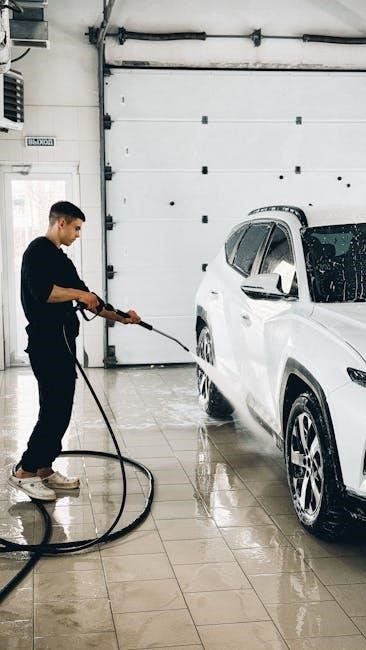
Craftsman 1900 PSI Pressure Washer Manual: A Comprehensive Guide
This manual details the Craftsman 1900 PSI pressure washer, offering parts lists, diagrams, and repair guidance,
including engine specifics and troubleshooting for optimal performance and longevity of your cleaning equipment.
The Craftsman 1900 PSI Pressure Washer is a versatile cleaning tool designed for a wide range of outdoor tasks, from washing vehicles and siding to cleaning decks and patios. This manual serves as a comprehensive resource for owners, providing detailed instructions on safe operation, routine maintenance, and effective troubleshooting. Understanding your pressure washer’s components and capabilities is crucial for maximizing its performance and ensuring its longevity.
Whether you’re a homeowner tackling seasonal cleaning or require a reliable tool for more demanding projects, this guide will equip you with the knowledge to operate and maintain your Craftsman 1900 PSI model efficiently. We’ll cover everything from initial setup and safety precautions to identifying and resolving common issues, referencing available parts lists and diagrams for simplified repairs.
Understanding Pressure Washer Basics
Pressure washers utilize high-pressure water spray to remove dirt, grime, and debris from surfaces. The core components include a pump, which generates the pressure; an engine or motor to power the pump; a hose to deliver water; and a wand with interchangeable nozzles to control the spray pattern. PSI (pounds per square inch) measures the water pressure, with 1900 PSI being suitable for medium-duty cleaning tasks.
GPM (gallons per minute) indicates the water flow rate, impacting cleaning efficiency. Understanding these basic principles allows for optimal nozzle selection and effective cleaning. Different nozzles create varying spray angles – from wide-angle for gentle cleaning to narrow-angle for concentrated power. Proper technique and nozzle choice prevent damage to surfaces and maximize cleaning results.

Safety Precautions & Operating Instructions
Always wear safety glasses and appropriate clothing; never point the wand at people or animals, and disconnect the power source when not in use.
General Safety Rules
Prioritize safety when operating your Craftsman 1900 PSI pressure washer. Always read and understand this manual before use. Wear safety glasses to protect your eyes from debris. Avoid directing the spray at yourself, others, or animals.
Ensure a stable footing during operation and never overreach. Disconnect the power source (or engine) before performing any maintenance or changing accessories. Do not modify the pressure washer in any way.
Be aware of your surroundings and potential hazards. Keep children and pets away from the work area. Never use flammable liquids or solvents in the pressure washer. Inspect the hose for damage before each use.
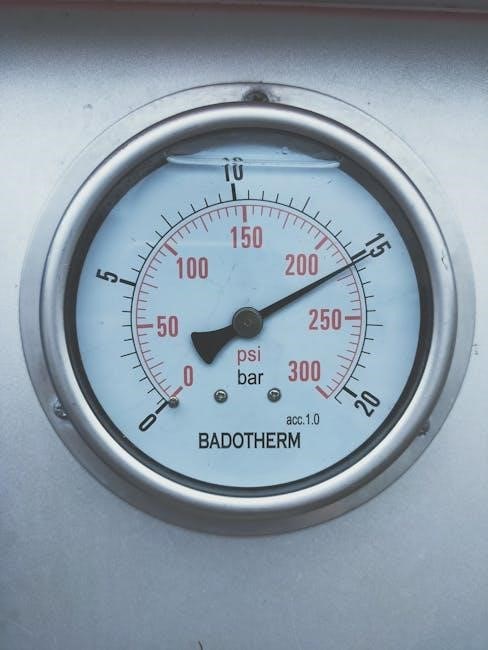
High-pressure spray can cause serious injury; exercise extreme caution. Avoid spraying electrical components. If using an extension cord, ensure it is rated for outdoor use and the correct amperage.
Pre-Operation Checklist
Before each use of your Craftsman 1900 PSI pressure washer, a thorough checklist is crucial. First, verify the power source is properly grounded and matches the unit’s requirements. Inspect the high-pressure hose for cracks, kinks, or leaks – replace if damaged.
Check the water supply connection, ensuring it’s secure and provides adequate water flow. Confirm the nozzle is correctly installed and appropriate for the cleaning task. Examine all fittings and connections for tightness.
Ensure the detergent tank (if used) is clean and filled with the correct detergent. Verify the trigger mechanism operates smoothly. Finally, clear the work area of any obstructions and ensure bystanders are a safe distance away.
A quick pre-operation check minimizes risks and maximizes the efficiency of your cleaning process.
Starting and Stopping the Pressure Washer
To start your Craftsman 1900 PSI pressure washer, first, ensure all connections are secure and the water supply is fully on. Turn the power switch to the “ON” position. If equipped, prime the pump by pressing the unloader valve trigger until water flows consistently.
Pull the starter cord firmly and steadily – avoid rapid pulls. Once running, gradually increase the throttle if applicable. To stop, release the trigger, turn the power switch to “OFF”, and disconnect the water supply.
Never leave the pressure washer unattended while running. Allow the engine to cool down before storing. Proper starting and stopping procedures extend the life of your equipment and ensure safe operation.
Always refer to the specific model’s instructions for detailed guidance.
Proper Nozzle Selection
Selecting the correct nozzle is crucial for effective and safe cleaning with your Craftsman 1900 PSI pressure washer. Different nozzles deliver varying spray patterns and intensities. A 0-degree nozzle provides a concentrated stream for stubborn dirt, but use with extreme caution as it can damage surfaces.
A 15-degree nozzle is suitable for heavy-duty cleaning, while 25-degree and 40-degree nozzles are ideal for general-purpose tasks. The soap nozzle delivers detergent at a lower pressure.
Always test the nozzle on an inconspicuous area first. Avoid using high-pressure nozzles on delicate surfaces like painted wood or vehicles. Regularly inspect nozzles for clogs and replace them when necessary to maintain optimal performance.

Components and Parts Identification
Detailed diagrams showcase the pressure washer’s assembly, including the pump, engine (if applicable), hose, wand, and nozzles,
facilitating easy part location and maintenance for your Craftsman 1900 PSI model.
Pressure Washer Diagram
The following diagram provides a comprehensive visual breakdown of the Craftsman 1900 PSI pressure washer’s key components. This detailed illustration identifies each part, from the high-pressure pump and electric motor (or gasoline engine) to the trigger gun assembly, spray wand, and various hose connections.
Numbered callouts correspond to a detailed parts list (see section 6), enabling precise identification for maintenance, repair, or replacement. Pay close attention to the unloader valve, crucial for pressure regulation, and the detergent injection system.
The diagram also highlights safety features, such as the thermal relief valve and high-pressure hose, emphasizing their importance. Understanding this visual representation is fundamental for effective troubleshooting and ensuring the longevity of your pressure washing equipment. Refer to this diagram frequently during maintenance procedures.
Engine Specifications (If Applicable)
For Craftsman 1900 PSI pressure washers equipped with a gasoline engine, the following specifications are crucial for proper maintenance and operation. Typically, these models utilize a single-cylinder, air-cooled, four-stroke engine, often ranging from 196cc to 208cc in displacement.
Fuel requirements generally specify unleaded gasoline with a minimum octane rating of 87. The engine’s horsepower typically falls between 6.5 HP and 7.5 HP, influencing the washer’s overall performance. Oil capacity is usually around 15-20 ounces of SAE 30 weight oil, and regular oil changes are vital.
Ensure the engine is properly grounded and that the spark plug is in good working order. Refer to the engine manufacturer’s documentation for detailed information regarding valve clearances and carburetor adjustments. Always use genuine Craftsman replacement parts for optimal engine performance.
Pump Assembly Details
The Craftsman 1900 PSI pressure washer’s pump is a triplex plunger pump, designed for durability and efficient water delivery. This axial cam pump converts rotational motion into reciprocating motion, creating high-pressure water flow. Key components include three plungers, a swashplate, and inlet/outlet valves.
The pump housing is typically constructed from durable materials like aluminum, ensuring resistance to corrosion. Regular inspection of the pump seals and O-rings is crucial to prevent leaks and maintain pressure. The unloader valve, integrated within the pump, regulates pressure and prevents damage at higher settings.
Proper lubrication of the pump is essential; use only pump-specific oil. Disassembly should only be performed by qualified technicians, following the detailed parts breakdown for correct reassembly. Maintaining the pump ensures consistent performance and extends the lifespan of your pressure washer.
Hose and Wand Components
The high-pressure hose is a critical component, designed to withstand the 1900 PSI output of the Craftsman pressure washer. It’s typically reinforced with braided steel for durability and flexibility. Inspect the hose regularly for cracks, bulges, or abrasions before each use, replacing it immediately if damage is found.
The wand assembly includes a trigger gun, lance (wand tube), and nozzle attachments. The trigger gun controls water flow, while the lance provides reach and directs the spray. Nozzles determine spray pattern and intensity, ranging from wide-angle for gentle cleaning to pinpoint jets for stubborn grime;
Ensure all connections are secure before operation to prevent leaks and potential injury. Proper storage of the hose and wand – avoiding kinks and direct sunlight – will prolong their lifespan. Regularly cleaning the nozzle tips prevents clogging and maintains optimal spray performance.
Maintenance and Troubleshooting
Regular upkeep ensures peak performance. This section covers routine checks, cleaning procedures, and solutions for common issues like no start, low pressure, or leaks.
Routine Maintenance Schedule
To maximize the lifespan and efficiency of your Craftsman 1900 PSI pressure washer, adhere to a consistent maintenance schedule. After each use, thoroughly flush the system with clean water to remove any residual detergent or debris. Inspect the high-pressure hose for cracks, bulges, or leaks, and replace it if necessary.
Monthly, check the oil level (if applicable for gas-powered models) and replenish as needed. Clean or replace the air filter to ensure proper engine operation. Examine the nozzles for clogs and clear them with a fine wire. Annually, inspect the pump for wear and tear, and consider replacing seals or O-rings.
Furthermore, a seasonal inspection before storage is crucial. Drain all water from the pump and hose to prevent freezing damage. Store the unit in a clean, dry environment, protected from the elements. Following this schedule will help maintain optimal performance and prevent costly repairs.
Cleaning and Storage
Proper cleaning and storage are vital for preserving your Craftsman 1900 PSI pressure washer’s functionality. After each use, disconnect the high-pressure hose and wand. Rinse the exterior of the unit with a mild detergent and water, avoiding direct spray into the engine or pump. Thoroughly flush the pump and hose with clean water to remove any remaining soap or debris.
Before long-term storage, completely drain all water from the pump, hose, and wand to prevent freezing and corrosion. Apply a pump protector specifically designed for pressure washers. Store the unit in a clean, dry, and frost-free location, ideally indoors. Cover the pressure washer to protect it from dust and debris.
Regular cleaning and careful storage will significantly extend the life of your pressure washer and ensure it’s ready for use when you need it.
Troubleshooting Common Issues ⎻ No Start
If your Craftsman 1900 PSI pressure washer fails to start, several factors could be the cause; First, verify the power source – ensure the unit is properly plugged in or the engine has sufficient fuel. Check the circuit breaker or fuse if it’s an electric model. Inspect the engine’s on/off switch and the safety interlock mechanisms on the handle; they must be engaged correctly.
For gas-powered models, confirm the fuel valve is open and the fuel tank isn’t empty. Examine the spark plug for fouling or damage, and replace if necessary. A clogged air filter can also prevent starting; clean or replace it. If the engine attempts to start but doesn’t run, there might be a carburetor issue requiring professional attention.
Always consult the full manual for detailed diagrams and safety precautions before attempting any repairs.
Troubleshooting Common Issues ⎻ Low Pressure
Experiencing low pressure with your Craftsman 1900 PSI pressure washer? Several issues could contribute to this problem. First, check the nozzle – ensure it’s not clogged with debris. Try a different nozzle to rule out a faulty one. Inspect the high-pressure hose for kinks, bends, or damage; replace if necessary.
The water inlet filter can become clogged, restricting water flow. Clean this filter thoroughly. A failing pump is a common cause of low pressure; listen for unusual noises during operation. The unloader valve regulates pressure, and a malfunction here can also lead to low output.
Always disconnect the power source before inspecting or repairing any components. Refer to the manual’s diagrams for proper component locations.
Troubleshooting Common Issues ― Leaks
Discovering leaks in your Craftsman 1900 PSI pressure washer requires immediate attention. Begin by visually inspecting all hose connections – the high-pressure hose, the water inlet hose, and connections at the pump and spray gun. Tighten any loose fittings, but avoid over-tightening, which can damage them.
Check the o-rings and seals around the pump and spray gun for wear or damage; replace them if necessary. Inspect the pump itself for cracks or leaks, particularly around the oil cap. A leaking unloader valve can also cause water to escape.
Remember to disconnect the power supply before any inspection or repair. Always refer to the parts diagram in the manual to identify specific components and their corresponding replacement parts.
Detailed Parts List & Replacement
This section provides comprehensive breakdowns of pump, engine (if applicable), hose, and nozzle components, facilitating easy identification and ordering of replacement parts for your Craftsman unit.
Pump Parts Breakdown
The pump assembly is the heart of your Craftsman 1900 PSI pressure washer, responsible for generating the high-pressure water stream. This breakdown details each component, including the pump housing, piston assembly (pistons, connecting rods, and swashplate), high-pressure seals, and the water inlet/outlet fittings.
Detailed diagrams illustrate the correct orientation and placement of each part, aiding in reassembly after maintenance or repair. Common replacement parts include pistons, seals (O-rings and gaskets), and the unloader valve.
Understanding the function of each component is crucial for effective troubleshooting. For example, worn piston seals will lead to reduced pressure, while a faulty unloader valve can cause erratic spraying. Refer to the parts list for specific part numbers and ensure compatibility with your model before ordering replacements.
Engine Parts Breakdown (If Applicable)
For Craftsman 1900 PSI pressure washers equipped with a gasoline engine, this section provides a comprehensive parts breakdown. It covers essential components like the cylinder head, piston, connecting rod, crankshaft, carburetor, and recoil starter assembly. Detailed exploded views illustrate the precise arrangement of each part, simplifying repairs and maintenance.
Commonly replaced engine parts include spark plugs, air filters, fuel filters, and carburetor components. The breakdown also identifies critical seals and gaskets necessary for maintaining engine compression and preventing oil leaks; Always refer to the engine’s model number when ordering replacement parts to ensure compatibility.
Proper engine maintenance, guided by this breakdown, extends the lifespan of your pressure washer and ensures optimal performance.
Hose and Nozzle Replacements
Maintaining your Craftsman 1900 PSI pressure washer’s hose and nozzles is crucial for consistent performance. This section details replacement procedures and specifications. High-pressure hoses can develop cracks or kinks over time, leading to leaks and reduced pressure; replacement is straightforward, requiring proper connection tightening. Always ensure the hose is rated for at least 1900 PSI.
Nozzles wear out with use, affecting spray patterns. A variety of nozzle types are available – 0°, 15°, 25°, 40°, and soap – each serving a specific cleaning purpose. Replacing a nozzle involves unscrewing the old one and securely attaching the new one.
Regular inspection and timely replacement of these components prevent damage and ensure safe operation.
Filter Replacement Guide
Maintaining clean filters is paramount for the longevity and performance of your Craftsman 1900 PSI pressure washer. Two primary filters require periodic attention: the water inlet filter and the engine air filter (if gas-powered). The water inlet filter prevents debris from entering the pump, while the air filter ensures clean air reaches the engine.
To replace the water inlet filter, locate it on the water intake connection, detach, and clean or replace with a new filter of the correct size. For the engine air filter, access it via the air filter housing, remove the old filter, and install a new one, ensuring a proper seal.
Regular filter replacement prevents damage and ensures optimal operation.

Advanced Topics & Repair
Delve into the intricacies of the unloader valve, pump repair procedures, and engine basics for comprehensive maintenance,
ensuring peak performance and extending the lifespan of your Craftsman pressure washer.

Understanding the Unloader Valve
The unloader valve is a critical component within your Craftsman 1900 PSI pressure washer, responsible for regulating pressure and preventing damage to the pump and other components. Essentially, it diverts water flow when the trigger is released, bypassing the nozzle and returning it to the pump inlet. This prevents the pump from continuously building pressure against a closed nozzle, which could lead to overheating and failure.
Understanding its function is key to troubleshooting pressure issues. A malfunctioning unloader valve can cause inconsistent pressure, reduced cleaning power, or even a complete lack of pressure. Common problems include a stuck valve, worn seals, or debris obstructing the valve’s operation. Regular inspection and cleaning of the unloader valve are vital for maintaining optimal performance. Disassembly and repair should be undertaken with caution, following the detailed instructions provided in the parts breakdown section of this manual.
Pump Repair Procedures
Pump repair on your Craftsman 1900 PSI pressure washer requires careful attention to detail and a clean working environment. Begin by disconnecting the power source and relieving all water pressure. Disassembly typically involves removing the pump housing to access internal components like pistons, connecting rods, and seals. Always refer to the pump parts breakdown diagram for proper component orientation.
Inspect all parts for wear, damage, or corrosion. Replace worn seals, O-rings, and pistons as a preventative measure. Lubricate new parts with pump-specific oil before reassembly. Ensure proper torque specifications are followed when tightening bolts to avoid leaks or damage. If you lack experience, professional repair is recommended. Incorrect reassembly can lead to pump failure and potential injury. Thoroughly test the pump after repair to confirm proper operation and pressure output.
Engine Repair Basics (If Applicable)
If your Craftsman 1900 PSI pressure washer features a gasoline engine, basic repairs may be manageable with the right tools and knowledge. Always disconnect the spark plug wire before performing any engine work. Common issues include carburetor problems, fouled spark plugs, and low oil levels. Cleaning or replacing the carburetor can often resolve starting or running issues.
Inspect the spark plug for wear and replace if necessary, ensuring the correct gap is maintained. Regularly check and maintain the oil level, using the manufacturer’s recommended oil type. For more complex repairs, such as valve adjustments or piston replacements, professional service is strongly advised. Incorrect engine repair can lead to further damage and void the warranty. Always consult the engine specifications section for detailed information and torque settings.
Winterizing Your Pressure Washer
Proper winterization is crucial to prevent damage to your Craftsman 1900 PSI pressure washer during freezing temperatures. Begin by disconnecting the water supply and running the engine until all water is expelled from the pump. Then, pump a specialized pump saver solution (antifreeze) through the system to protect internal components.
Disconnect and drain the high-pressure hose, and store it in a frost-free location. If the engine utilizes gasoline, stabilize the fuel or drain the tank and carburetor to prevent fuel degradation. Remove the spark plug and add a teaspoon of engine oil into the cylinder, then slowly pull the starter cord to distribute the oil. Store the pressure washer in a dry, sheltered area, covered to protect it from dust and debris.

Resources and Support
For Craftsman 1900 PSI support, contact Craftsman directly or explore online parts retailers. Warranty details and related product information are readily available online.
Craftsman Support Contact Information
Need assistance with your Craftsman 1900 PSI pressure washer? Craftsman offers multiple avenues for support. For immediate help, visit the Craftsman website at www.craftsman.com. There, you’ll find a comprehensive FAQ section addressing common issues, downloadable manuals (including this one!), and troubleshooting guides. You can also initiate a live chat with a customer service representative during business hours.
Alternatively, you can reach Craftsman support via phone. The customer service hotline is available at 1-888-331-4565. Be prepared to have your model number readily available to expedite the process. For parts inquiries or warranty claims, a dedicated support team can be reached through the website’s contact form. Craftsman also maintains an active presence on social media platforms like Facebook and Twitter, where you can often find helpful tips and engage with other users.
Finding Replacement Parts Online
Locating replacement parts for your Craftsman 1900 PSI pressure washer is convenient online; Several retailers specialize in small engine and power tool parts. A primary source is the official Sears PartsDirect website (www.searspartsdirect.com), where you can input your model number to find a precise parts list and diagrams. Other reputable online vendors include Amazon, eBay, and dedicated small engine parts suppliers like RepairClinic and Jack’s Small Engines.
When searching, always verify the part number matches your specific model to ensure compatibility. Pay attention to detailed descriptions and customer reviews. Consider comparing prices across different vendors. Many sites offer expedited shipping options. Before ordering, review the return policy in case the part is incorrect or defective. Utilizing the parts breakdown within this manual will greatly assist in identifying the correct component.
Warranty Information
Your Craftsman 1900 PSI pressure washer is covered by a limited warranty, protecting against defects in materials and workmanship. The standard warranty period typically begins from the date of purchase. It’s crucial to retain your original purchase receipt as proof of purchase for any warranty claims. The warranty generally covers the pump, engine (if applicable), and other core components.
However, the warranty does not cover items damaged through misuse, abuse, neglect, improper maintenance, or normal wear and tear. Modifications or attempts at unauthorized repair will void the warranty. To initiate a warranty claim, contact Craftsman customer support (see ‘Craftsman Support Contact Information’). Be prepared to provide your model number, serial number, and a detailed description of the issue.
Related Craftsman Products
Craftsman offers a wide range of outdoor power equipment to complement your 1900 PSI pressure washer. Explore their selection of lawn mowers, including gas-powered, electric, and robotic models, for comprehensive lawn care. Consider a Craftsman leaf blower to quickly clear debris after pressure washing. For yard cleanup, their chainsaws and string trimmers provide powerful performance.
Additionally, Craftsman provides various hand tools and power tools suitable for home repairs and maintenance tasks related to your pressure washer, such as wrench sets and drills. Don’t forget to check out their range of storage solutions to keep your tools organized. Visit the Craftsman website or your local retailer to discover the full product line and find accessories to enhance your outdoor projects.